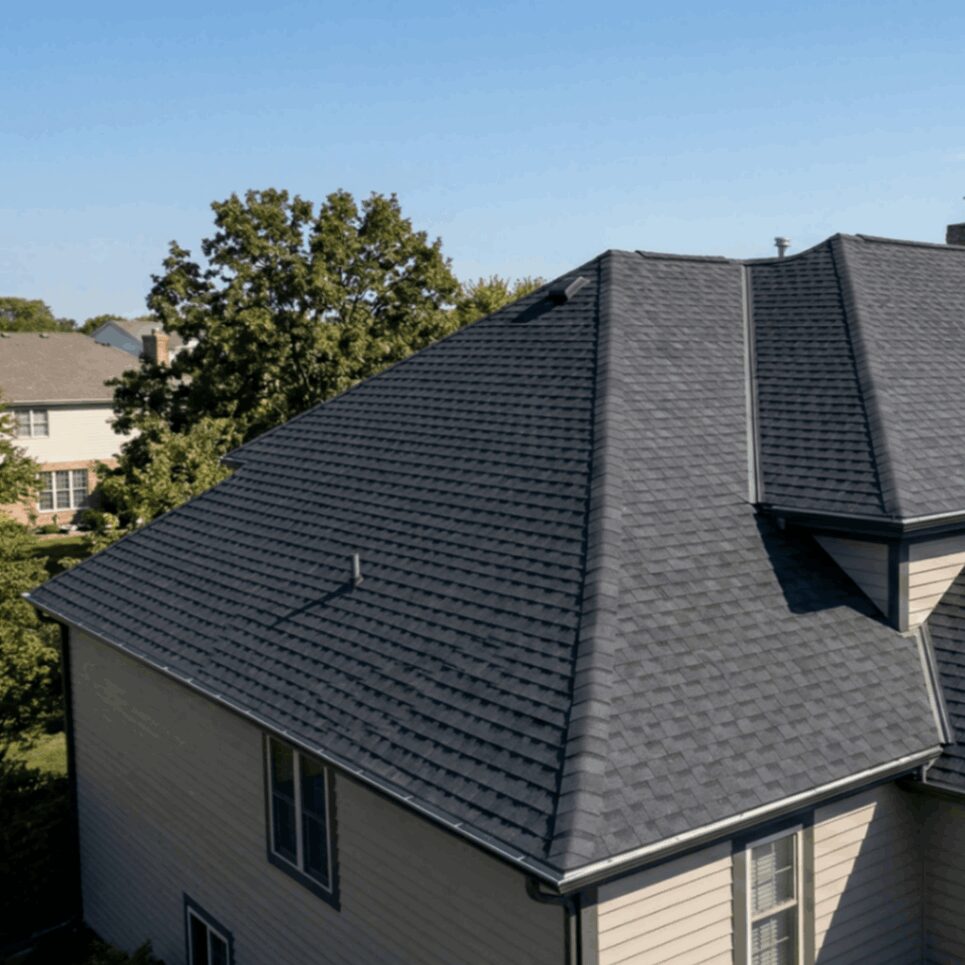
Nicks Roofing and Siding provides commercial roofing services for Madison property owners seeking dependable protection for offices, retail buildings, warehouses, and multi-unit facilities. Careful planning, material coordination, and organized installation help reduce disruptions while supporting long-term roof performance against weather exposure, drainage challenges, and daily building demands throughout every season.
Choose Nicks Roofing and Siding for Commercial Commercial Roofing in Madison, WI
Structured Roofing Process for Active Properties: Nicks Roofing and Siding organizes inspections, material staging, tear-off sequencing, and installation steps to keep commercial projects moving efficiently. That process focus is especially useful for occupied buildings where deliveries, employee access, and tenant activity must continue alongside exterior roofing work.
Consistent Execution Across Building Types: Nicks Roofing and Siding handles roofing needs for retail centers, office buildings, light industrial spaces, and mixed-use properties with attention to drainage patterns, roof penetrations, and edge conditions. Reliable coordination helps reduce avoidable setbacks when each property presents different access points and structural layouts.
Attention to Critical Roof Details: Nicks Roofing and Siding examines flashing transitions, membrane seams, drainage routes, and rooftop equipment areas that often create problems on aging buildings. In Madison, WI, that detail matters when freeze-thaw cycles, standing water, and seasonal storms put added stress on commercial roof systems during the year.
Why Commercial Commercial Roofing in Madison, WI Matters for Business Properties
Weather Exposure Can Disrupt Business Operations: Flat and low-slope roofs in Madison, WI often face snow loads, wind-driven rain, and freeze-thaw stress that can exploit weak seams or drainage issues. Commercial Commercial Roofing in Madison, WI helps address those vulnerabilities before leaks interfere with inventory, equipment, or daily building use.
Property Conditions Change Over Time: Older commercial buildings may have patched sections, aging membranes, ponding areas, or flashing wear around rooftop units. When those conditions build up, roofing work becomes important to restore a more dependable exterior barrier and reduce the chance of interior water intrusion during busy operating hours.
Clean, Functional Exteriors Support Business Readiness: A roof in poor condition can delay tenant improvements, complicate inspections, or create scheduling pressure before reopening a space. Keeping the roofing system serviceable helps property owners prepare for occupancy changes, maintenance planning, and routine business activity with fewer unexpected interruptions.
Does Commercial Roofing in Madison, WI work differently for flat-roof office buildings than for small retail storefronts?
Yes, roof layout, drainage design, equipment placement, and access points often differ significantly between office buildings and storefront properties. Nicks Roofing and Siding reviews those building-specific conditions to recommend roofing approaches that fit the structure, usage patterns, and maintenance demands.
After a spring storm, how quickly should Commercial Roofing in Madison, WI be evaluated for a warehouse with rooftop equipment?
Storm-related issues should be checked promptly because punctures, lifted edges, and flashing damage around rooftop units can worsen quickly. A timely inspection from Nicks Roofing and Siding can help identify vulnerable areas before water reaches stored materials, electrical components, or interior work zones.
What is typically included in Commercial Roofing in Madison, WI for a multi-tenant building with recurring drainage issues?
The scope often includes roof assessment, moisture-prone area review, drainage evaluation, material recommendations, and repair or replacement planning around penetrations and seams. Nicks Roofing and Siding can outline how those steps apply to multi-tenant properties where leaks and ponding affect several occupied spaces.
 ×
×